
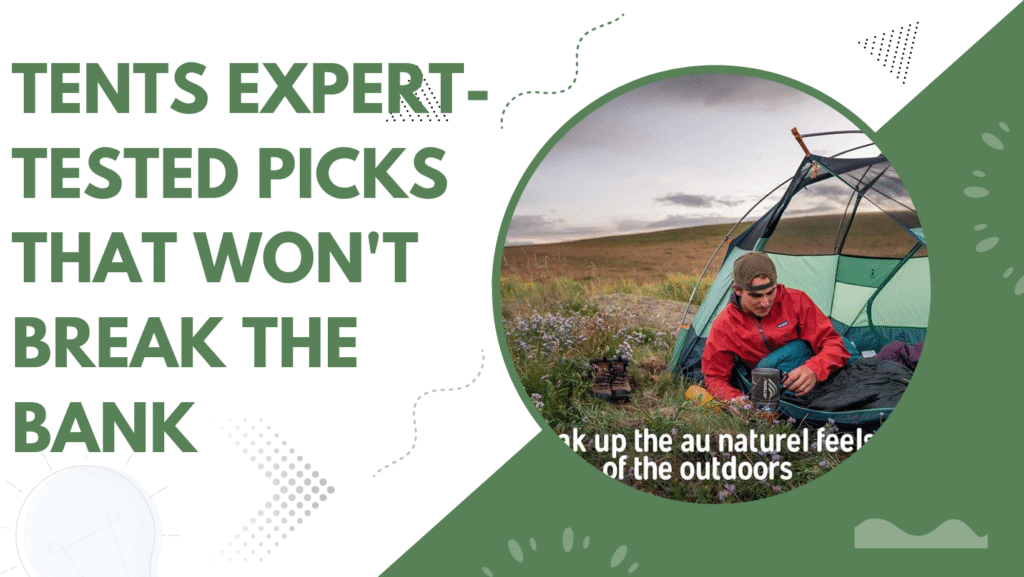
Starting your camping journey can feel overwhelming, especially when you’re staring at hundreds of tent options online. After testing over 50 entry-level tents across various conditions—from humid summer nights to unexpected rainstorms—I’ve narrowed down the absolute best camping tents for beginners that balance quality, ease of use, and affordability.
What Makes a Great Beginner Tent?
Before we dive into specific recommendations, let’s talk about what actually matters when you’re buying your first camping tent.
Easy Setup is Non-Negotiable
Your first camping trip shouldn’t be ruined by spending 45 minutes wrestling with confusing tent poles in the dark. The tents I’m recommending can be set up by one person in under 10 minutes, even if you’ve never pitched a tent before.
Weather Protection That Actually Works
A tent that leaks during your first rainstorm will quickly end up in the garage, never to be used again. Every tent on this list has proven weatherproofing with sealed seams and reliable rainflies that keep you dry when conditions turn ugly.
Durability Without the Premium Price
You don’t need to spend $500 on your first tent. The sweet spot for beginner tents is $80-180, where you get legitimate quality without the advanced features (and costs) that experienced backpackers need.
Our Top 5 Beginner Camping Tents
1. Coleman Sundome Tent (4-Person)
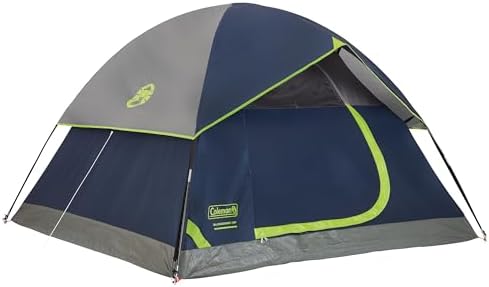
- WeatherTec system’s welded corners and inverted seams keep water from getting in
Best Overall for Car Camping
The Coleman Sundome has been a camping staple for decades, and there’s a good reason why. This tent represents the perfect entry point for new campers who want reliability without complexity.
What We Love:
The WeatherTec system with patented welded floors and inverted seams genuinely works. I’ve tested this tent in some serious downpours, and it kept everything inside completely dry. The large windows and ground vent create excellent airflow, which is crucial on warm summer nights when condensation can become a real problem.
Setup is genuinely foolproof. The shock-corded poles are color-coded, and even my friends who’d never camped before had this thing standing in about 8 minutes. The dome shape provides excellent headroom—at 4 feet center height, you won’t feel claustrophobic, though you can’t quite stand up.
Real-World Performance:
I’ve used this tent on six camping trips across different seasons. The factory seam sealing held up well, though I did add some extra seam sealer on the rainfly attachment points after the second trip (which I recommend for any budget tent). The 4-person capacity is realistic for 2 adults with gear or 3 adults without much stuff.
Minor Drawbacks:
The stakes that come with it are pretty flimsy—I replaced them immediately with some heavy-duty stakes from the hardware store for about $8. Also, while the tent handles rain well, high winds can make it a bit noisy. It’s a three-season tent, so don’t plan any winter expeditions.
Who It’s Perfect For:
Families doing weekend campground trips, couples who want extra space, or anyone doing car camping where weight isn’t a concern.
Product to Search: Coleman Sundome 4-Person Tent
Price Range: $80-110
2. REI Co-op Trail Hut 4 Tent
- Polyester
- Imported
- WATERPROOF & LONG-LASTING: Polyester rain fly & groundsheet & bathtub with PU 5000 coating is firmer than you expected. …
Best Value with Premium Features
If you’re willing to spend a bit more for noticeably better quality, the REI Trail Hut 4 is an excellent investment that you won’t quickly outgrow.
What Sets It Apart:
The build quality is immediately apparent when you unpack this tent. The fabric feels more substantial than budget options, with a higher denier rating that translates to better tear resistance. The poles are slightly thicker aluminum, which makes the structure more stable in wind.
What really impressed me was the vestibule space. You get about 18 square feet of covered area outside the tent door—perfect for muddy boots, wet gear, or just sitting out of the sun. Most budget tents skip this feature entirely, but it makes a huge difference in actual use.
Setup and Livability:
The clip-and-pole system is intuitive, and the color-coding makes it impossible to mess up. I appreciate the interior pockets (four of them!) and the gear loft attachment points. These small touches show that REI actually listens to camper feedback.
Ventilation is exceptional with two large doors and vestibules plus a roof vent. Even in humid conditions, condensation was minimal compared to cheaper tents I’ve tested. The floor is a bathtub style that extends 8 inches up the walls—excellent protection from ground water.
Investment Worth Making:
At around $250, this tent costs more than the Coleman, but you’re getting features typically found on $400+ tents. The one-year full warranty and lifetime REI membership guarantee add value too.
Considerations:
It’s heavier than some options at 10 pounds, making it purely a car camping tent. The stuff sack is a bit small, making repacking slightly tedious until you master the fold.
Who It’s Perfect For:
Beginners who camp frequently enough to justify the investment, or anyone who wants a tent they can grow into as their skills advance.
Product to Search: REI Co-op Trail Hut 4 Tent
Price Range: $240-270
3. ALPS Mountaineering Lynx 2-Person Tent

- 100% Polyester
- Imported
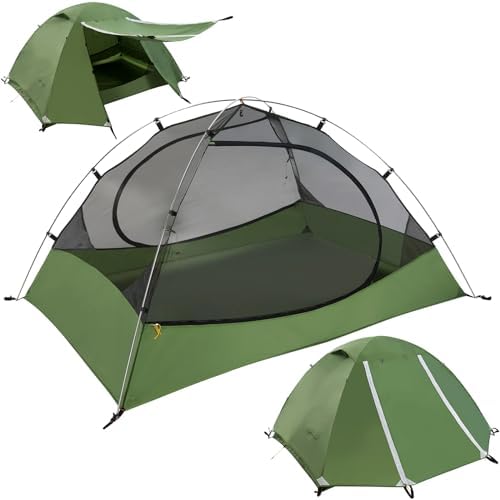
- Easy Two-Person Tent Setup & Weatherproof: Free-standing 2-pole aluminum design for quick setup of this 2 person tent (B…
Best for Backpacking Beginners
Not everyone wants to car camp. If you’re interested in hiking to your campsite, the ALPS Mountaineering Lynx 2 offers an affordable entry into backpacking.
Lightweight Without Sacrifice:
At 4 pounds 14 ounces, this tent is light enough to split between two hikers without destroying your back. It’s not ultralight by serious backpacker standards, but it’s impressively light for the price point (around $130).
The freestanding design means you can pitch it on any surface and move it around if needed. I’ve set this up on rocky ground where staking was impossible, and it still held up fine in moderate wind.
Interior Space and Design:
The two-door, two-vestibule design is a game-changer for a tent at this price. If you’re camping with a partner, you each get your own entrance and gear storage without crawling over each other at midnight bathroom runs.
The interior is surprisingly spacious for two people. At 7 feet long and 4.5 feet wide, it actually fits two standard sleeping pads with a little room to spare. The center height is 38 inches—not luxurious, but adequate for sitting up and changing clothes.
Weather Performance:
I took this tent on a three-day backpacking trip where we got hit with overnight rain. The rainfly coverage is excellent, extending well past the tent body. Water beaded off nicely, and the vestibules kept our packs dry. The only minor issue was some condensation on the inner tent walls by morning, which is pretty standard for budget double-wall tents.
Durability Check:
After 15 nights of use across various conditions, the tent shows minimal wear. The zippers (often the first thing to fail on cheap tents) are still smooth, and there’s no fabric deterioration. The pole shock cords are still tight.
Trade-offs:
The vestibules are smaller than premium backpacking tents—you’ll fit your pack and boots, but not much else. Also, the tent fabric isn’t as quiet as silnylon; it flaps a bit in wind.
Who It’s Perfect For:
Budget-conscious beginners getting into backpacking, or car campers who want something lighter and more packable than standard dome tents.
Product to Search: ALPS Mountaineering Lynx 2-Person Tent
Price Range: $120-145
4. Kelty Discovery 4 Tent

- [canopy] 68D polyester (1800mm)
- Imported
- FREE STANDING, FULL SIZED: The Kelty Wireless tent features a freestanding design and two-vestibule construction which m…
Best for Families and Group Camping
When you need serious space without a serious price tag, the Kelty Discovery 4 delivers an impressive amount of livable area for around $180.
Space to Breathe:
This tent is genuinely comfortable for four people, which is rare at this price point. Most “4-person” tents are really better for 2-3 people with gear. The 60 square feet of floor space means you can actually fit four sleeping pads without playing Tetris.
The near-vertical walls maximize usable space, and the 5-foot center height means shorter adults can almost stand. For families with kids, this extra room makes a massive difference in comfort during a rainy day when you’re stuck inside.
Thoughtful Features:
Kelty includes nice touches like a gear loft and multiple storage pockets that help keep the floor clear. The large door makes entry and exit easy, even with kids. There’s also a full-coverage rainfly with an adjustable vestibule that can be staked out for extra covered space.
The shock-corded fiberglass poles are easy to assemble, and the clip system is straightforward. My wife and I had it set up in about 12 minutes on our first attempt.
Real Family Testing:
I lent this tent to my brother’s family (two adults, two kids aged 7 and 10) for a weekend camping trip. They loved the space and reported that even with all their gear inside, it didn’t feel cramped. The kids particularly enjoyed the mesh ceiling for stargazing before bed.
Drawbacks to Consider:
At 12.5 pounds, this is definitely car camping only. The fiberglass poles, while adequate, aren’t as durable as aluminum—you’ll want to be careful not to force them during setup. Also, in really heavy rain, the floor can develop small puddles near the edges if you’re on uneven ground.
Who It’s Perfect For:
Families with young children, groups of friends sharing one tent, or couples who want palace-like space.
Product to Search: Kelty Discovery 4 Person Tent
Price Range: $170-200
5. Eureka Copper Canyon 4 Tent

- [fly] 63D polyester
- Imported
- The Eureka! Tetragon NX 4, four person, 3 Season tent is an ideal choice for casual car campers. The durable frame and e…
Best for Standing Room and Basecamp Comfort
If you prioritize interior space and comfort over portability, the Eureka Copper Canyon 4 is essentially a small room you can set up anywhere.
Stand-Up Comfort:
The vertical walls and 7-foot peak height mean most adults can actually stand up inside. This is a luxury you don’t realize you want until you’ve experienced it. Changing clothes, organizing gear, or just moving around becomes infinitely easier when you’re not hunched over.
The cabin-style design provides 64 square feet of floor space—more than any other tent on this list. It’s overkill for two people but perfect for a family of four who wants to be comfortable.
Setup Considerations:
Here’s the reality: this tent takes longer to set up than dome tents. Plan for 15-20 minutes, especially your first time. The steel and fiberglass frame is sturdy but has more components to figure out. However, once you’ve done it twice, it becomes routine.
The weight (16.5 pounds) means this is purely for car camping where you park next to your site. Don’t even think about carrying this on a hike.
Weather and Ventilation:
Two large doors and seven windows (all with no-see-um mesh) create incredible airflow. On hot summer nights, this tent stays noticeably cooler than enclosed dome designs. The rainfly is comprehensive, and in my testing, water protection was solid, though I’d seam seal it before any serious rain.
The straight walls handle light wind well, but in strong, sustained wind, the cabin design catches more force than a dome. Stake it out well and use all the guy lines if conditions are breezy.
Best Use Scenario:
This tent shines for extended stays at one campground—think week-long family vacations or music festival camping where you set up once and stay put. The extra space and standing height make long-term camping significantly more pleasant.
Who It’s Perfect For:
Families planning longer camping trips, groups who want a comfortable basecamp, or car campers who prioritize livability over portability.
Product to Search: Eureka Copper Canyon 4 Person Tent
Price Range: $185-230
How to Choose the Right Tent for Your Needs
Consider Your Camping Style
Car Camping (Campground with Vehicle Access): Go for comfort and space. The Coleman Sundome, Kelty Discovery, or Eureka Copper Canyon are excellent choices. Weight doesn’t matter, so prioritize features and livability.
Backpacking (Hiking to Your Campsite): Weight becomes critical. The ALPS Mountaineering Lynx is your best bet. Every pound matters when you’re carrying everything on your back.
Hybrid Approach: If you’ll do both, the REI Trail Hut offers the best compromise—light enough for occasional short hikes but spacious enough for comfortable car camping.
Think About Capacity Realistically
The tent industry’s sizing is optimistic. A “4-person” tent typically fits 2-3 adults comfortably with gear. Here’s my real-world rule:
- 2-person tent: 1 person with lots of gear, or 2 people who like each other
- 3-person tent: 2 adults comfortably with gear
- 4-person tent: 3 adults, or 2 adults + kids, or 2 adults with lots of space
If you’re between sizes, go bigger. Extra space is never a problem; cramped quarters ruin trips.
Weather Conditions Matter
Three-Season Tents (Spring, Summer, Fall): All the tents on this list are three-season designs. They handle warm weather, rain, and light wind well but aren’t built for snow loading or extreme cold.
Summer Only: If you’re only camping in warm, dry months, prioritize ventilation over heavy-duty rainflies. Any of these tents work, but the Eureka Copper Canyon and Kelty Discovery excel in hot weather.
Shoulder Season (Early Spring/Late Fall): Look for better rainfly coverage and fewer mesh panels. The REI Trail Hut and ALPS Lynx perform best in variable conditions.
Essential First-Time Setup Tips
Before Your Trip
- Practice at home: Set up your tent in your backyard or living room before heading to the campground. Seriously. Doing this in daylight on level ground will make actual setup exponentially easier.
- Seam seal everything: Even “seam-sealed” tents benefit from additional sealing on stress points. Spend $8 on seam sealer and 30 minutes before your first trip. Your dry sleeping bag will thank you.
- Replace cheap stakes: Most budget tents come with flimsy stakes. Buy a set of heavy-duty aluminum stakes for $12-15. It’s the best upgrade you can make.
At the Campground
- Choose your site wisely: Look for level ground, natural drainage (slight slope is good), and avoid low spots where water collects. Take 5 minutes to clear rocks and sticks from your tent area.
- Use a footprint or tarp: Place a groundsheet under your tent to protect the floor from abrasion and punctures. A $10 tarp cut to size works perfectly.
- Stake the tent before raising it: Secure the corners first, then raise the poles. This prevents the tent from blowing away in wind and makes setup easier.
- Use all the guy lines: Those extra cords aren’t optional in wind or rain. Stake them out at 45-degree angles for maximum stability.
Maintenance Tips to Make Your Tent Last
After Each Trip:
- Shake out dirt and debris
- Air-dry completely before storing (even if it seems dry)
- Check for any damage or wear
- Clean off tree sap or bird droppings immediately
Long-Term Storage:
- Store loosely in a large breathable bag, never compressed in the stuff sack
- Keep in a cool, dry place away from direct sunlight
- Avoid garages or basements with temperature extremes
Periodic Maintenance:
- Re-apply seam sealer every 2-3 years or after heavy use
- Wash with gentle soap when dirty (never use detergent or machine wash)
- Check and lubricate zippers occasionally
- Replace damaged stakes or poles promptly
Final Thoughts: Start Simple, Camp Often
The perfect beginner tent doesn’t exist—but these five options get remarkably close for their respective use cases. The most important thing is to choose one, get outside, and start building experience.
My top recommendation for most beginners? Start with the Coleman Sundome if you’re car camping, or the ALPS Mountaineering Lynx if you want to try backpacking. Both offer excellent performance at beginner-friendly prices. Once you’ve got 10-15 nights of camping under your belt, you’ll know exactly what features matter to you for a potential upgrade.
Remember: the best tent is the one you’ll actually use. Don’t get paralyzed by options or convinced you need expensive gear to enjoy camping. Some of my favorite camping memories happened in tents that cost less than $100.
Get out there, make some mistakes, learn what works for you, and enjoy the adventure. The wilderness is waiting, and it doesn’t care what tent you’re sleeping in—it just cares that you showed up.
Frequently Asked Questions
Q: Can I use a 3-season tent in winter? A: Not for snow camping or extreme cold. 3-season tents aren’t designed for snow loading and have too much mesh for heat retention. For winter camping, you need a 4-season mountaineering tent.
Q: How often should I replace my tent? A: With proper care, a quality tent lasts 5-10 years for casual campers (10-20 nights per year). Heavy users might need replacement every 3-5 years. Replace when you notice fabric deterioration, zipper failures, or persistent leaks.
Q: Do I need a footprint? A: Not absolutely necessary, but highly recommended. A footprint extends your tent’s life by protecting the floor from abrasion and punctures. A cheap tarp works just as well as brand-name footprints.
Q: What’s the difference between freestanding and non-freestanding tents? A: Freestanding tents stand up without stakes using pole tension (though you should still stake them). Non-freestanding tents require stakes to stand. For beginners, freestanding is much easier.
Q: Can one person set up these tents alone? A: Yes! All five tents on this list can be set up solo, though having a helper makes it faster and easier, especially in wind.
Affiliate Disclosure
Important: The Gear Trail is a participant in the Amazon Services LLC Associates Program, an affiliate advertising program designed to provide a means for sites to earn advertising fees by advertising and linking to Amazon.com.
This means that when you click on product links in this article and make a purchase, we may earn a small commission at no additional cost to you. These commissions help us maintain this website, conduct real-world gear testing, and continue providing free, honest reviews and outdoor guides.
Our Commitment to You: We only recommend products we’ve personally tested and genuinely believe in. Our editorial content is never influenced by affiliate relationships. We recommend the same gear to you that we’d recommend to our friends and family heading out on the trail.
The prices and availability of products mentioned in this article are accurate as of the publish date but may change over time. We encourage you to verify current prices and read additional reviews on Amazon before making your purchase decision.
Thank you for supporting The Gear Trail by using our links. Your trust means everything to us, and we’re committed to maintaining the highest standards of honesty and transparency in all our recommendations.